Listen to this article
“If you can learn how to use chopsticks with your left hand, I’ll be very impressed,” the therapist at outpatient therapy said to me.
In my mind, all I could think was ‘Well I can’t wait to show her!’
However, once I got home, I realized how hard this would be. Picking up the little foam pieces she gave me using chopsticks with my stroke-affected left hand was beyond boring and frustrating, just like many other rehab exercises.
But then I remembered the two boxes of candy my parents had left us sitting on the counter – some licorice pieces and Sour Patch Kids.
Like anyone else with a lot of candy sitting around, I was constantly snacking on this and wished I would eat less.
Putting two and two together, I thought the candy could help me with the chopsticks. I made a simple rule that if I wanted to eat candy, I would have to pick it up with chopsticks.
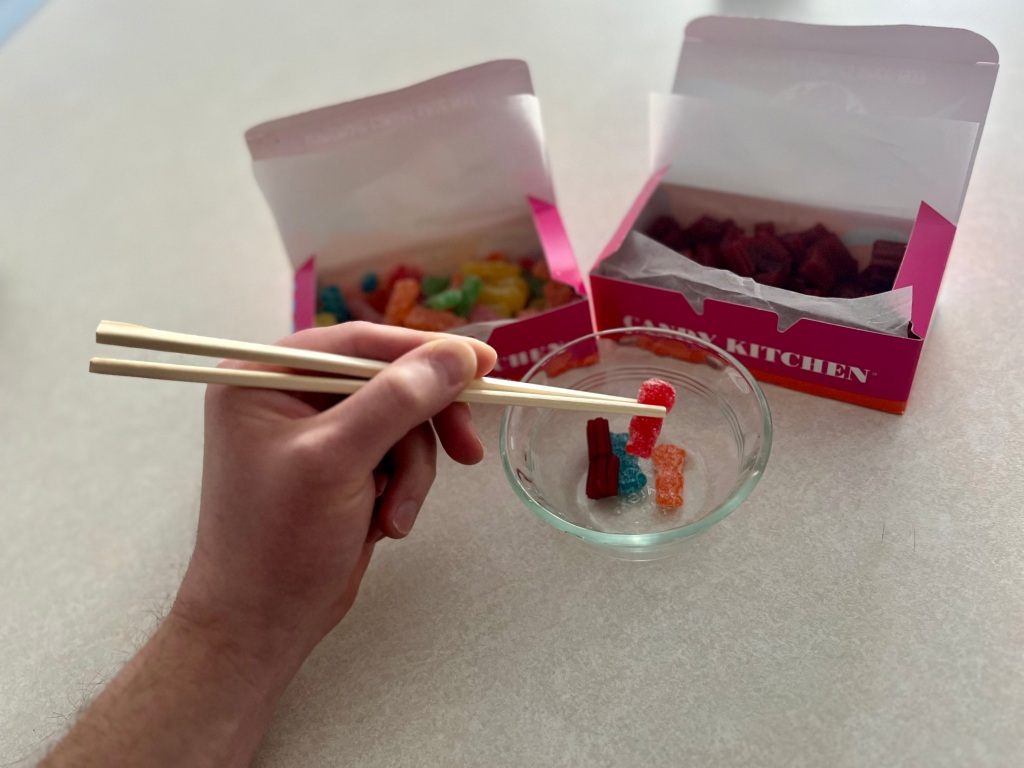
And that is how over a few weeks I learned how to use chopsticks left-handed – something I certainly couldn’t do before my stroke.
What is Constraint-Induced Movement Therapy?
Constraint-induced movement therapy is exactly as it sounds – restraining one arm behind the back, so the stroke-affected arm and hand must perform the required activity.
With constraint-induced therapy, the more we repeat a movement, the more we can strengthen the neural connections in our brain to improve our physical abilities after a stroke.
Although some rehabilitation facilities provide specialized constraint-induced movement therapy sessions, it’s a simple training exercise that can be done at home.
Modified Constraint-Induced Therapy
The modified version of constraint-induced therapy can be done by placing one arm behind your back without restraint and forcing yourself to use your stroke-affected hand for any activity.
In his book, Stronger After Stroke, Peter Levine cites research that states 30 minutes to three hours of constraint-induced therapy a day should lead to physical improvements after stroke.
Overall, constraint-induced physical therapy practices have been reported to benefit a wide range of stroke survivors, some of whom are many years post-stroke.
In The Brain That Changes Itself, Norman Doidge cites research by Edward Taub – the creator of constraint-induced therapy—that estimates “80 percent of stroke patients who have lost arm function can improve substantially.”

4 Essential Stroke Recovery Strategies
Subscribe to the free monthly newsletter and I’ll send you a short article highlighting the four things I wish I’d started sooner after stroke.
How Modified Constraint-Induced Movement Therapy Helped Me
Shortly after returning home from inpatient rehab, I was hunting for specific exercises I should be doing that would help me improve most quickly.
However, one of the most beneficial activities turned out to be the simplest – I just started doing everything left-handed.
Opening pill bottles? Playing board games or cornhole? Brushing my teeth? Scrolling email and social media on my phone? Cracking eggs in the morning? I tried all of this and more left-handed.
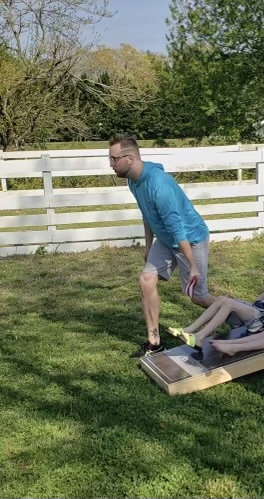
Looking back, cracking eggs left-handed wasn’t my best idea. it was quite messy at times, but I’ve gotten much better these days!
I should clarify that I do everything within reason left-handed – I’m not carrying around a pot of hot coffee or shaving with my unreliable left hand.
Repeated Practice is Critical
To even come close to the proposed daily amount of constraint-induced therapy practice that Levine cites for improvement, incorporating stroke rehab activities into your day-to-day routine makes a ton of sense.
However, this has admittedly been an incredibly frustrating process over the years. First off, my stroke-affected side is not my dominant hand that I’ve used my whole life. Secondly, the fingers on my stroke-affected left hand often move at the speed of molasses or don’t move the way I want them to.
Today, I still struggle with some tasks – like typing this blog – but I’ve certainly noticed progress over time in my stroke-affected left hand. This includes learning new skills with my left hand such as eating with chopsticks.

How to Use Constraint-Induced Movement Therapy in Stroke Recovery
In the foreword for Stronger After Stroke, neuroscientist Michelle Ploughman writes “Directing your energies toward recovery means that you always try to use your weaker side first.”
I didn’t receive any constraint-induced therapy sessions during my stay at inpatient rehab. We discussed it, but they never actually restrained my right hand behind my back since I was all too happy to try and fail using my stroke-affected left hand to begin with.
Once I returned home I experienced how frustrating it can be to balance your recovery after stroke with other responsibilities. It can often feel overwhelming trying to juggle daily life while trying to rebuild yourself.
Prioritize Using Your Weaker Side
Many times, I felt like I had no time to perform the rehab exercises I wanted to on a given day. With that in mind, I’ve tried using my stroke-affected hand as often as possible, forcing it to constantly practice unique movements in my day-to-day routine.
Making rehab a part of everyday life has provided some relief in those times when it felt like I was making no progress at all. Looking back, I never could’ve imagined how difficult it would be to click through the settings of a light switch or crack an egg.
But moving forward, I imagine I’ll always be walking around the house, my right hand behind my back, reaching forward with the left to pick a glass out of the cupboard, turn off a light, empty the dishwasher, or open a door.
 Stroke Recovery Rehab