Listen to this article
About two weeks after my stroke, I flipped through Leonard Mlodinow’s book “Subliminal” during my stay at inpatient rehab.
I had trouble reading at the time, but I could still read short passages I had highlighted when I read the book before I had a stroke.
While looking through the book, I stumbled across the following statement that has stuck with me ever since:
“There are few accomplishments, large or small, that don’t depend to some degree on the accomplisher believing in him- or herself and the greatest accomplishments are the most likely to rely on that person being not only optimistic but unreasonably optimistic,” Mlodinow writes.
There are few accomplishments, large or small, that don’t depend to some degree on the accomplisher believing in him- or herself and the greatest accomplishments are the most likely to rely on that person being not only optimistic but unreasonably optimistic.
Over the past three-plus years, one of the more challenging aspects of life after stroke has been not knowing what the end of stroke recovery will look like or when it will come.
However, simply believing that there can be better days ahead is helpful as you work through the many challenges that stroke brings.
Maintaining this positive outlook about your potential for recovery won’t solve all of your problems overnight, but it can help you keep pushing for more progress — even if at times you can feel like you are being unreasonably optimistic.
The Power of Mindset in Stroke Recovery
Of all the neuroscience and psychology books, research, and podcasts I’ve read or watched in the years after stroke, one that has always intrigued me is the hotel worker study.
In this study, researchers worked with hotel cleaning staff to assess whether their mindset on exercise could impact their health and well-being.
Initially, the hotel workers didn’t believe they were getting enough exercise, but researchers told them their physical efforts during the workday counted as quality exercise that satisfied the Surgeon General’s recommendations for an active lifestyle.
As a result, when the hotel workers had various physical health metrics measured four weeks later, they showed improvements in their weight, blood pressure, body fat, waist-to-hip ratio, and body mass index.
The study showed that changing your beliefs about physical activity can lead to changes in your physical health, in part via the placebo effect or how you view something.
Simply believing you are getting enough exercise can improve your well-being.
I found this study relatable to life after stroke because it’s very easy to be discouraged by how slow progress can come and how long the overall recovery process is.
There are many days where you feel like you are going backward and it’s hard to believe that you’ll ever make the progress you want to see.
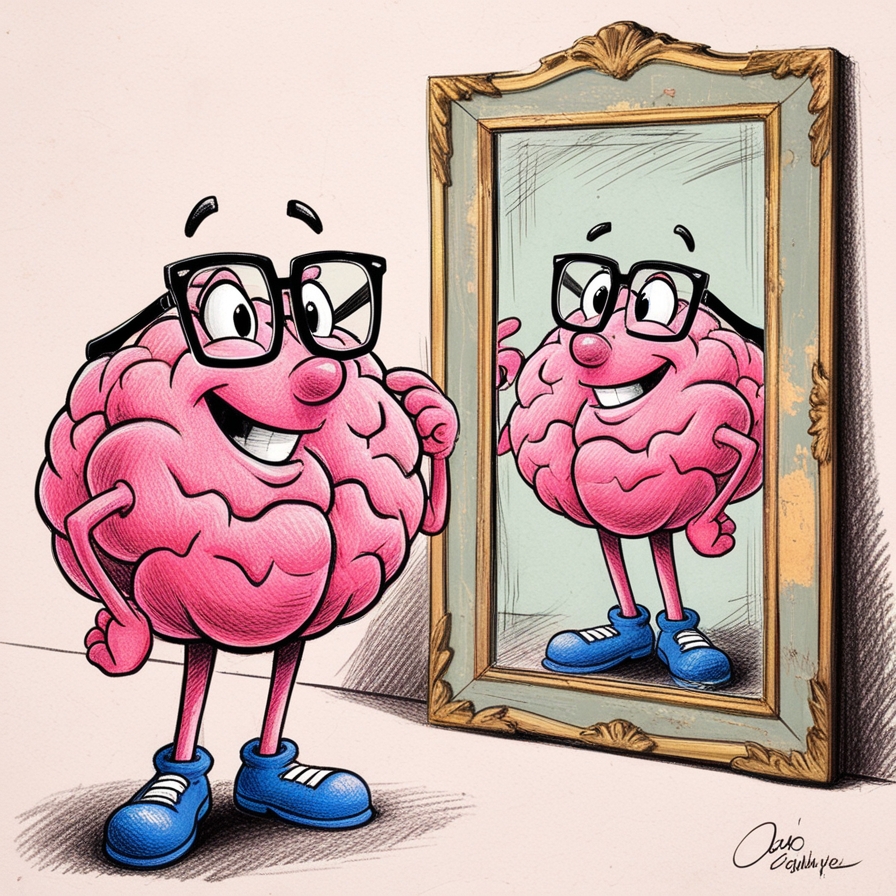
However, it’s important to recognize that not every day is going to bring progress you can clearly see or feel.
Avoiding Limiting Beliefs in Stroke Recovery
It’s very difficult to stay positive after a stroke as you work through various mental and physical deficits for years, trying to get closer to the person you were before stroke.
Neuroplasticity – the brain’s ability to adapt, improve and rebuild its connections after injury – is very real, but it is not a quick process.
On a day-to-day basis, I have rarely been positive about my situation, but if you don’t believe you can be successful in the future, then you’re making recovery after stroke more difficult than it already is.
On the most frustrating of days, I’ve often told my wife that my favorite thing to do is take a walk as the sun is setting, because it helps me close out a disappointing day and look forward to trying again tomorrow.
Believing there were always future opportunities where I could improve my physical and mental well-being in the years to come after stroke is, in part, what helped me accomplish ridiculous things like walking across a slackline – something I had never done before I had a stroke that temporarily paralyzed my left side.
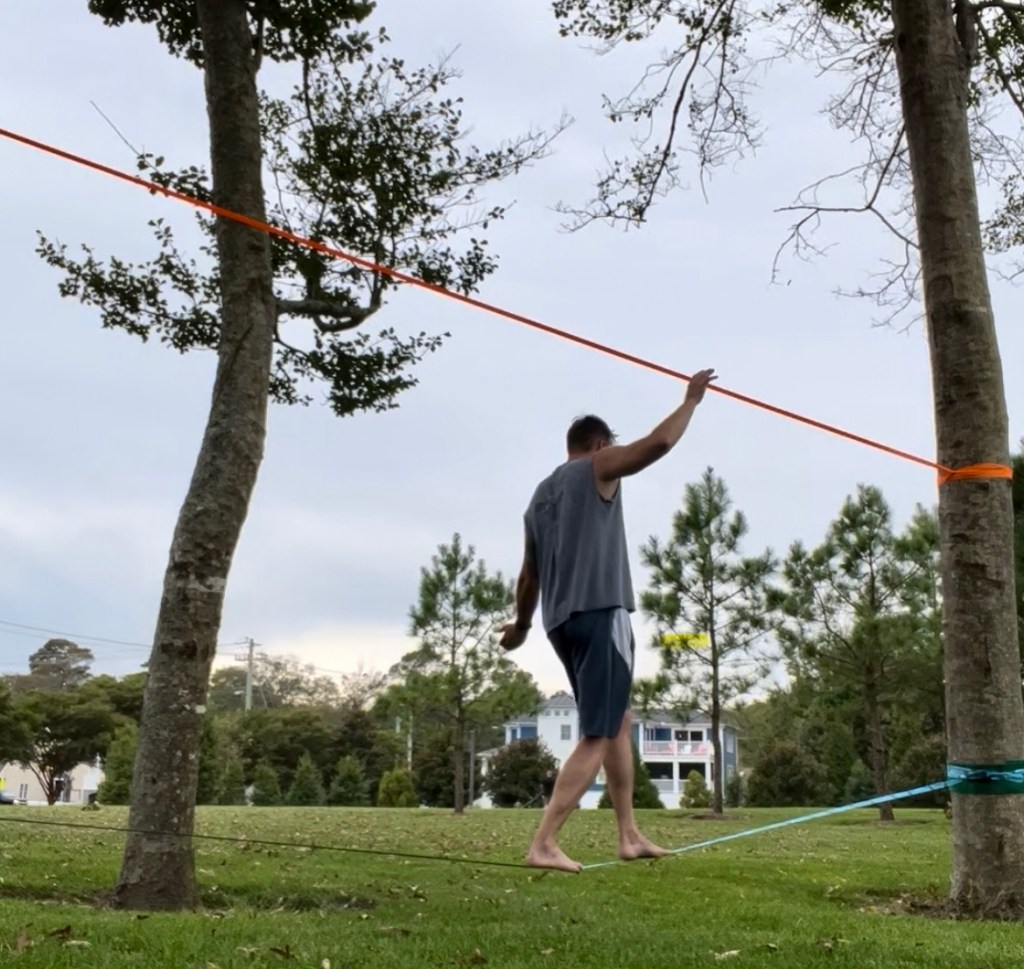
Even if you initially struggle with a task or activity after stroke, it’s important not to give it up altogether because of those early experiences.
In the future, you may be able to do that activity again, but in a different way than you used to before stroke, and that change isn’t always a bad thing.
After stroke, I’ve often struggled with things like driving, going places by myself and making it through a workday, but through a lot of trial and error, I’ve learned new habits that help me do these things differently than I would have pre-stroke.
Belief in Oneself After Stroke
In his book “Endure,” Alex Hutchinson highlights how the brain can set physical barriers on us as much as our body can.
Using elite endurance athletes as an example, Hutchinson describes how the brain processes signals associated with fatigue, heat, pain, thirst, and more.
He also speaks with David Putrino, an Australian neuroscientist who explains that rehabilitation efforts from brain and spinal cord injuries are not all that different from high-intensity training.
“Whether you’re a high-end athlete or a patient fighting locked-in syndrome, you’re dealing with the same limitations of muscle fatigue,” Putrino is quoted as saying.
Whether you’re a high-end athlete or a patient fighting locked-in syndrome, you’re dealing with the same limitations of muscle fatigue
Any activity that lasts longer than roughly 12 seconds requires us to make decisions on how hard to push ourselves and when to stop. As we make these decisions, the brain plays a role in defining what we believe to be our endurance limits.
In other words, sometimes we can sell ourselves short of our real ability, including our efforts in recovery after stroke.
“When the moment of truth comes, science has confirmed what athletes have always intuited: that there’s more in there – if you’re willing to believe it,” Hutchinson writes.
 Stroke Recovery Rehab