I could feel the tension building on my left side as my eyes darted between the GPS above the dashboard and the road ahead.
Weaving through the small town’s back roads, I drove in silence so I was completely focused on the longest drive I had made by myself since the stroke 18 months prior.
I drove with only my right hand as my stroke-affected left hand sat in my lap. I didn’t trust it to go anywhere near the wheel where it was just as liable to slide off as it was to inadvertently jerk the wheel in the wrong direction.
Driving, once a simple act of freedom, had now become a frustrating chore.
Driving Challenges After Stroke
Driving was one of the most significant, frustrating and unexpected challenges in the years after stroke.
Simply being a passenger in a car after stroke brought on headaches, dizziness and other overall uncomfortable feelings. I often stepped out of the car feeling like I had just gotten off a rough and choppy carnival ride.
I rarely drove the first year after stroke, only practicing with short trips around town. It took me about a year and a half to drive by myself for more than 30 minutes and even then, it took me a moment to feel confident in my balance after getting out of the car.
Safe Driving After a Stroke
Returning to driving after a stroke might not be an option for everyone, but if you’re able to pursue driving again, it’s an aspect of recovery that shouldn’t be rushed.
At a stroke survivor support group meeting during the first year after my stroke, I lamented how frustrating it was trying to drive.
I described how I would pull over midway through a trip and let my wife finish the rest of the way because of how difficult it was to pay attention to everything going on in front of me.
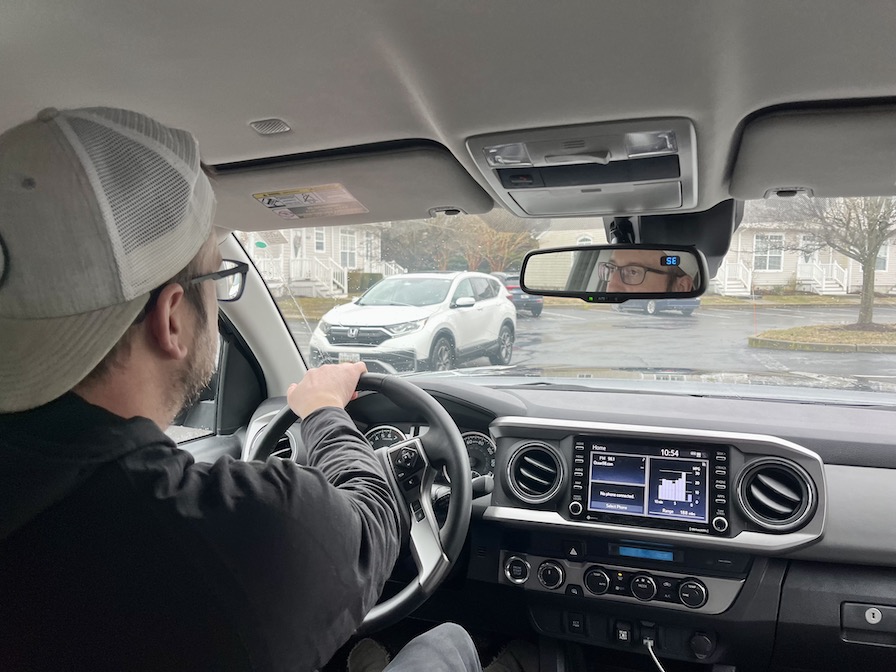
It often felt overwhelming to be aware of all the cars around me, notice stop signs, and recognize when the stop lights would change along with other traffic signals.
Should I hit the gas? Brake? Is anyone crossing the street?
So many decisions that needed to be made instantaneously. Forget even trying to have a conversation while driving.
A nurse leading the support group commented that driving wasn’t something that you should push yourself to do after stroke. After all, you’re not just putting yourself at risk when you drive, but any passengers and others on the road could also be hurt.
She was exactly right. Patience and practice with driving are very important so you don’t put yourself or anyone else at risk. It’s important to ask for a ride if you feel uncomfortable.
Four Strategies That Helped Me Drive Again After Stroke
As I worked my way up to driving more often and taking longer trips, here are four things that helped me feel more comfortable behind the wheel:
1) Practice short trips with and without a passenger
Slowly work your way up to longer trips as you feel comfortable.
2) Limit distractions
I used to listen to a ton of podcasts on my commute to work before the stroke, but when I first started driving again after stroke, the radio or any podcasts had to go. It was hard enough to stay focused on the road ahead so I couldn’t have any additional distractions. Unfortunately, if you’re married and drive with your spouse, distractions are often very common.
3) Mental practice at home
I found visualization exercises – or mental practice — to be quite helpful after stroke, including how to drive again. In particular, SaeboMind has a helpful episode for driving. These simple meditations didn’t lead to monumental improvements in my ability to drive without issues, but they did help me feel more confident in driving.
4) Breathing practice for focus
To this day, driving can still feel overwhelming at times. Once I get in the car and before I step out, I’ve used simple breathing exercises to focus and relax. My favorite exercise is the physiological sigh, a simple double inhale followed by a long exhale.
Post-stroke Driving
Like everything else after stroke, returning to driving takes patience and practice. If you struggle to drive, don’t be too discouraged and give it up altogether. Failing once isn’t the end.
However, depending on where you live, there could be some steps you need to take before you return to driving. State laws on driving after a stroke vary, so it’s important to check with your doctor on any requirements you need to achieve before driving again.
For example, you may need a doctor’s permission to drive again or you may have to retake a driving exam at your local DMV.
In my case, my doctor gave me the green light to return to driving as I was comfortable and I didn’t have any paperwork or exams with the DMV.

Need More Stroke Recovery Resources?
New articles on stroke recovery are posted on the 1st of every month. Subscribe to the free newsletter to receive an email when new content is published.
Stroke Recovery and Driving
Nearly four years after stroke, driving can still be a frustrating challenge, especially on highways.
When cars are zooming along at 70 miles per hour and you need to make snap decisions about changing lanes to avoid traffic or merge into an exit lane, it can feel daunting.
Being independent is an essential goal for most stroke survivors and driving is often a part of that. However, relearning how to drive is not a skill to be rushed.
 Stroke Recovery Rehab