Listen to this article
After stroke, it’s easy to find supplements and vitamins advertised as brain-boosting compounds that support stroke survivors in their recovery.
Most of these supplements are unhelpful, if not dangerous, and the claims associated with them should be taken with a grain of salt.
However, I was recently surprised to find videos on TikTok hailing the benefits of beet juice for stroke survivors.
Previously, I thought I might be the only stroke survivor in the world who often drinks this dark red beverage that most people will dismiss because of its poor taste.
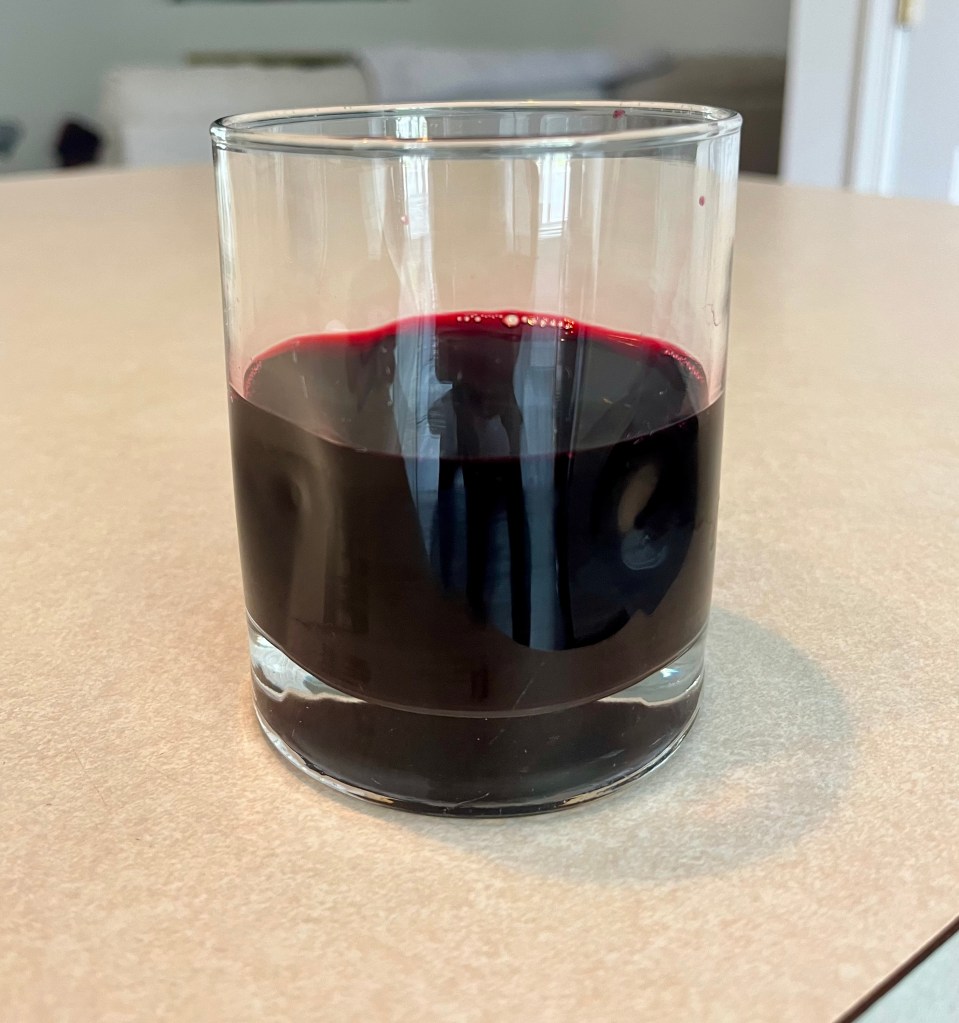
But if you don’t mind the flavor, beet juice might be a positive addition to any stroke survivor’s diet since it’s linked to improving endurance, lowering blood pressure, and potentially supporting neuroplasticity — the brain’s ability to change itself.
How Beet Juice Improves Exercise Performance
Research has shown that beet juice can enhance physical performance by increasing nitrate levels in the body.
These elevated nitrate levels help your body produce more nitric oxide, which improves blood flow throughout the brain and body.
As a result, this can allow you to work out longer or harder since improved blood flow leads to more oxygen for muscles during exercise.
One of the initial studies that highlighted beet juice’s potential physical benefits came from researchers at the University of Exeter in 2009.
This study found that drinking about two glasses (or 500 mL) of beet juice for six days improved physical performance in moderate- and severe-exercise tests.
This led to beet juice becoming a popular drink a few years later at the 2012 Olympic Games in London, where athletes believed it could improve their performance.
Since that time, studies have continued to show that beet juice supplementation can improve performance in high-intensity exercise and speed up neuromuscular recovery after exercise.
Can Beet Juice Support Neuroplasticity?
In addition to evaluating beet juice’s potential physical benefits, researchers have also considered how beet juice can support brain health.
One study evaluated how combining beet juice with exercise could benefit the brains of older adults.
Researchers found that those who drank 70 mL — about a shot – of beet juice before exercise had brain networks that more closely resembled those of younger adults.
These results suggest that beet juice may support neuroplasticity when combined with an exercise program.
Why I Started Drinking Beet Juice After Stroke
In Patrick McKeown’s book The Oxygen Advantage, McKeown describes how an Irish cross-country coach encouraged his runners to drink beet juice because it improved performance and reduced cramping.
I read McKeown’s book about nine months after my stroke, and I was desperate for any strategies that could improve my stamina for exercise.
Thinking this might be worth a shot, I started drinking a glass of beet juice before workouts, and I noticed a slight improvement in how long I could go without feeling exhausted or out of breath.
Over the past three to four years, I’ve continued to drink beet juice off-and-on. It’s become a regular staple on my grocery list, especially during allergy season.
In addition to improving physical performance, beet juice has also been linked to helping alleviate sinus congestion since it raises nitrate levels in the body and helps to produce nitric oxide.
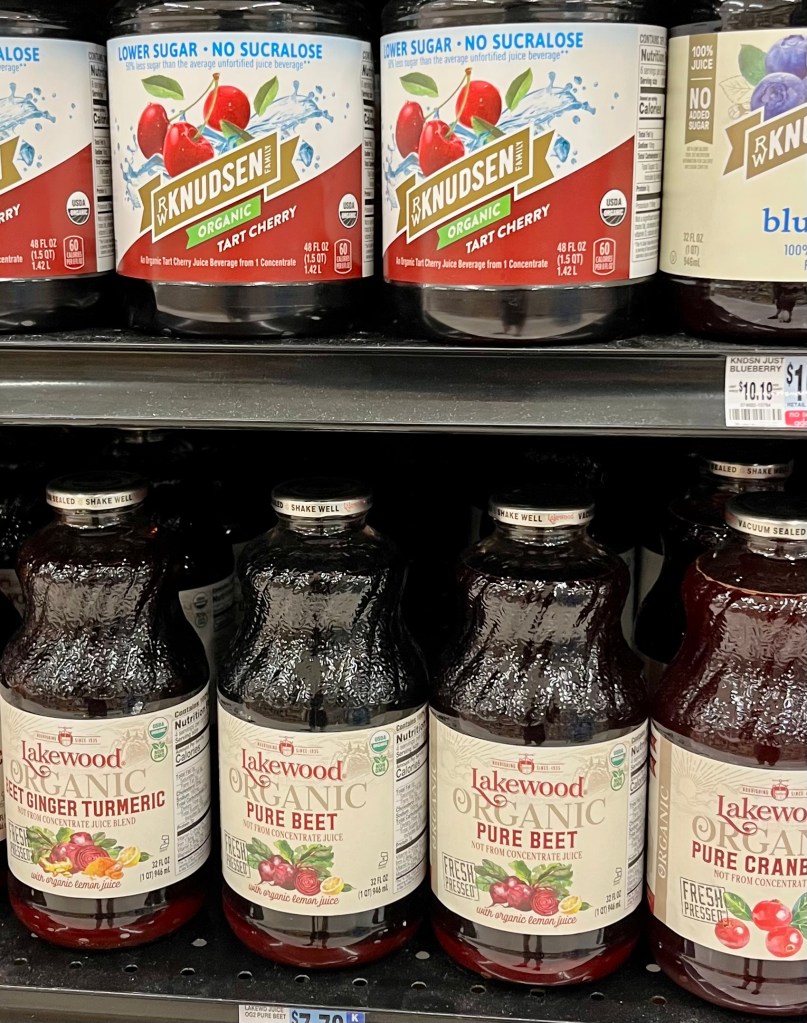
There are many beet juice drinks and powders available, but I’ve mostly enjoyed Lakewood’s Organic beet juice, which you can probably find in your local grocery store.
Research on Beet Juice and Stroke Recovery
In 2013, as interest in the benefits of beet juice was expanding, researchers at Wake Forest University studied how beet juice supplementation could support stroke survivors.
The study evaluated 18 ischemic stroke survivors and found that drinking a shot of beet juice for 30 days increased nitrate levels in the body.
Unfortunately, the supplement didn’t improve the walking speed of these stroke survivors when compared to a placebo group after the 30-day evaluation period.
Can Beet Juice Help Stroke Survivors?
The answer is maybe.
While the Wake Forest study that looked at beet juice in the context of stroke recovery didn’t lead to improvements in walking speed, it left the door open for potential benefits since the beet juice supplementation still increased nitrate levels in the body.
I don’t believe beet juice has made a monumental impact on my recovery, but it’s certainly helped alleviate some lifelong congestion issues, as well as given me a little boost for exercise, which is why I’ve continued to drink it for the better part of the past four years.
Overall, if you can get past the less-than-stellar taste of beet juice, it may be a helpful addition to your diet after a stroke.
In general, there aren’t many reported downsides of beet juice other than some people report stomach discomfort or digestion issues.
Additionally, be aware that beet juice will turn your urine a pinkish color, but otherwise, I’ve been told it’s certainly safe for stroke survivors.
Like any supplement, beet juice isn’t going to bring about dramatic improvements in your post-stroke abilities, but it has the potential to improve your stamina for physical therapy sessions, thereby possibly improving recovery after stroke.
*The information provided on supplements on this page and others on this site is for informational purposes only and is not a substitute for medical advice. Consult your physician before starting any new supplement regimen.
 Stroke Recovery Rehab