Listen to this article
After stroke, everything changes. From your physical abilities to your emotions and mental acuity, you are a vastly different person than you were before the stroke.
As you navigate life after stroke, it’s incredibly frustrating to face a situation where your prior experiences solving a problem are essentially useless because you can’t physically or mentally do what you used to.
For example, take a simple task like planning a trip. Pre-stroke, I would have had no second thoughts about leaving super early in the morning or driving late into the night to reach my destination.
However, in the immediate months and years after stroke, I could barely drive myself around town for simple errands, let alone consider taking a long road trip at night.
Regardless of when we traveled, an hours-long road trip would also leave me exhausted the next day as I continued to navigate the frustrations with post-stroke fatigue.
My old habits didn’t fit my new reality.
Change is Constant After Stroke: Embrace Neuroplasticity
Maybe one of the hardest parts about stroke recovery is not knowing what the end will look like or when it will come.
The only certainty is that your life will look different, just how different is unknown.

As you work toward meeting your goals after stroke, it’s easy to be frustrated when you hit your limitations.
Maybe you have a bad experience with anxiety or fatigue in public. Maybe you’re not improving with higher weights or reps in physical therapy as quickly as you’d like.
In all of these situations, it doesn’t always mean that you’ve hit your ceiling in recovery.
With some help from neuroplasticity – the brain’s ability to change – there’s always the potential that your current limitations may not be your future limitations. Situations can improve.
Lifestyle Changes After Stroke
While change can often feel difficult and worrisome, it’s not always bad.
After stroke, I noticed things like alcohol and caffeine had a negative impact on me so I stopped using them.
For the first time in my life, coffee made me feel jittery and alcohol only added to my feelings of dizziness and instability.
People now look at me like I have five heads when I tell them that I don’t drink coffee or alcohol, but it’s simply something that works best for me, even if other people view it as lame or weird.
More than four years after stroke, I still find myself taking more breaks than I used to – I often step outside during work to give my eyes a break from the computer – and I still try to go to bed early each night because sleep is so important for recovery after stroke.
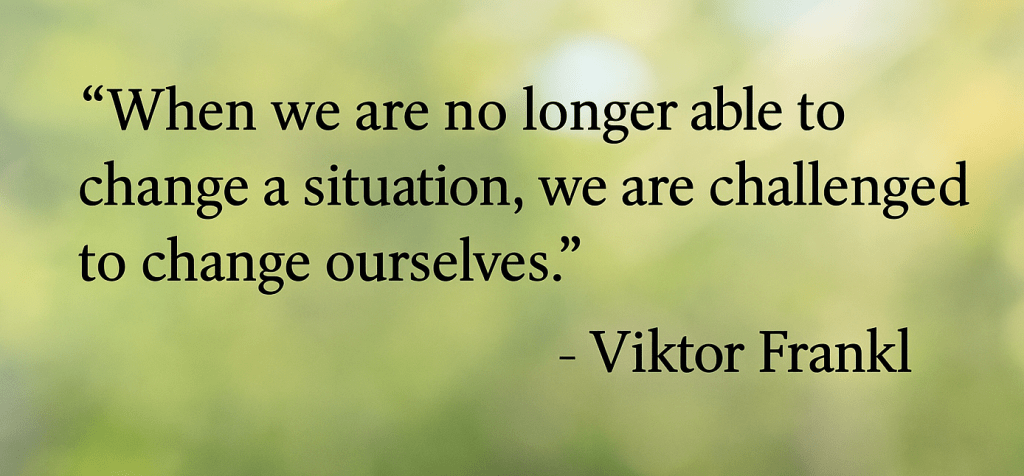
Additionally, my immediate goal after stroke was to get back into the gym where I had my stroke and rebuild my strength and mobility.
Unfortunately, I found exercising at the gym to be quite difficult in the early years after stroke.
The noises and crowded atmosphere were overwhelming, especially when you can have trouble standing for long periods due to issues with balance or fatigue.
Over time, I found I preferred exercising outdoors and have prioritized that instead of forcing myself back into the gym.
Recognizing that my body reacts differently than it used to has been one of the biggest lessons I’ve learned in the years after stroke.
You don’t have to go back to your old lifestyle immediately. Your personal preferences can change after stroke along with your physical abilities.
A Benefit of Stroke: Starting with a Blank Slate
When life comes to a screeching halt after stroke, everything you previously did can feel like a foreign experience, like it was someone else’s life and not your own.
With this change, it’s frustrating to see that any good habits you had are gone in an instant. However, your bad habits are also washed away, so you’re truly starting with a blank slate when you return home from rehab.
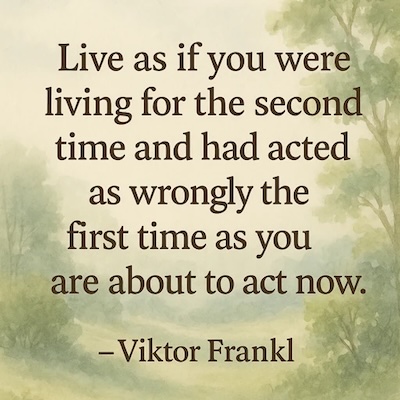
Initially, you may try to fall back into your old habits, only to find your new body no longer cooperates.
Beyond planning a trip, simple things like how do I manage my work day or how do I cook this meal can feel impossible as you navigate these scenarios with your post-stroke limitations.
These changes force you to turn over every stone as you look for solutions, stones that you may not have gotten to before stroke. This gives you a chance to explore opportunities you may have previously passed over.
Does Anyone Fully Recover from a Stroke?
One of the most common questions about stroke recovery is, “Does anyone fully recover from a stroke?”
However, that question is a bit of a misnomer since by the time you feel closer to the person you remember being before the stroke, you are years older. Job opportunities and once-in-a-lifetime moments have come and gone.
By the time you feel “fully recovered,” everything around you may have changed.
In a sense, a full recovery after stroke requires you to change and be different than your pre-stroke self because the world around you is surely different.
After a Stroke, Change is Constant
From the immediate onslaught of negative physical, mental, and psychological impacts to the years-long recovery journey filled with large and small wins in physical therapy, you’ll notice many changes along the way, sometimes unexpectedly.
If you ever deem yourself “fully recovered” from stroke, aspects of your life will be different from what they were pre-stroke, but that change isn’t always a bad thing.
 Stroke Recovery Rehab