As a stroke survivor, neuroplasticity is a term you find in nearly every resource on recovery.
The brain has the wonderful ability to rewire its trillions of connections between neurons and regain function that was lost after stroke.
However, what’s not always identified is the fact that the process of neuroplasticity occurs while we sleep.
For every rep and set we practice during the day, it’s while we rest that those connections between neurons are developed and strengthened.
In his book Why We Sleep, Matthew Walker writes, “We have now discovered that the slow, day-by-day return of motor function in stroke patients is due, in part, to the hard night-by-night work of sleep … Ongoing sleep quality predicts the gradual return of motor function, and further determines the relearning of numerous movement skills.”
We have now discovered that the slow, day-by-day return of motor function in stroke patients is due, in part, to the hard night-by-night work of sleep … Ongoing sleep quality predicts the gradual return of motor function, and further determines the relearning of numerous movement skills.
Matthew Walker
With that in mind, “How can I sleep best at night?” was a question I felt to be just as important as “What exercises are best for my physical rehab following stroke?”
The answer to the question on improving sleep quality came in the form of an unconventional practice – taping my mouth shut to ensure I’m breathing through my nose while I sleep.
This quirky bedtime habit has improved the quality of my sleep, giving me the ability to exercise more consistently and more intensely than I believe I could have in recovery without it.
The Benefits of Nasal Breathing at Night in Stroke Recovery
Fatigue is one of the most challenging side effects that stroke survivors face. Neuroplasticity, in and of itself, is a process that requires a lot of energy.
To support neuroplasticity and ease the fatigue that comes after stroke, the reported benefits of nasal breathing at night seemed like a match made in heaven:
- Fall asleep faster
- Sleep longer
- Wake up feeling energized
- Stop snoring
Research appears to support these claims, indicating that mouth taping during sleep can lessen snoring and the severity of sleep apnea.
Breathing efficiently is especially important post-stroke considering that the brain consumes 20% of the body’s oxygen despite only being about 2% of the body’s total weight.
In general, nasal breathing during activity and sleep is more efficient than breathing through our mouth. First, our nose filters the air we breathe, but when we breathe primarily through our mouth we also exhale too much carbon dioxide. This can be detrimental as carbon dioxide is critical to transporting oxygen throughout our body and to our brain.
The better we are at tolerating more carbon dioxide, the more oxygen we’ll be able to use in physical activity.
Nasal breathing has also been shown to release nitric oxide, which is responsible for many critical functions in the brain and body.
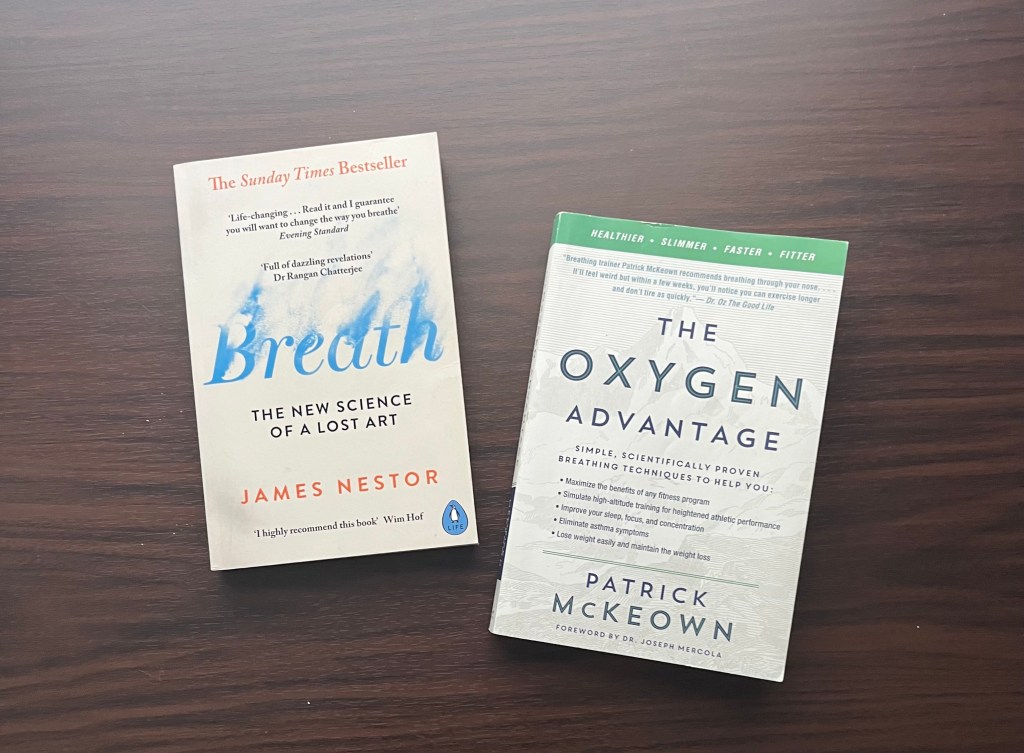
For more on the many reported benefits of nasal breathing and how it improves our physical well-being, James Nestor’s book Breath and Patrick McKeown’s book The Oxygen Advantage are excellent resources.
Specifically, this YouTube video from James Nestor with Dr. Mark Burhenne dives deeper into the benefits of mouth taping at night.

4 Essential Stroke Recovery Strategies
Subscribe to the free monthly newsletter and I’ll send you a short article highlighting the four things I wish I’d started sooner after stroke.
My Experience with Mouth Taping During Sleep
When I first learned of nasal breathing at night, I was instantly intrigued as someone who has long snored and never quite felt like they were getting enough sleep before stroke.
However, as I further considered the idea, I thought to myself “I’m lucky I survived this brain bleed. Now I’m going to suffocate myself by taping my mouth shut at night. This is crazy!”
I was wrong.
I started to incorporate this practice of mouth taping about five months into my recovery after stroke and to my surprise, after consistently nasal breathing at night for just a few weeks, my snoring all but disappeared – much to my girlfriend’s delight.
With nasal breathing, I also found myself waking up fewer times to use the bathroom at night. What used to be 2 or 3 trips is now down to 0 or 1 most nights.
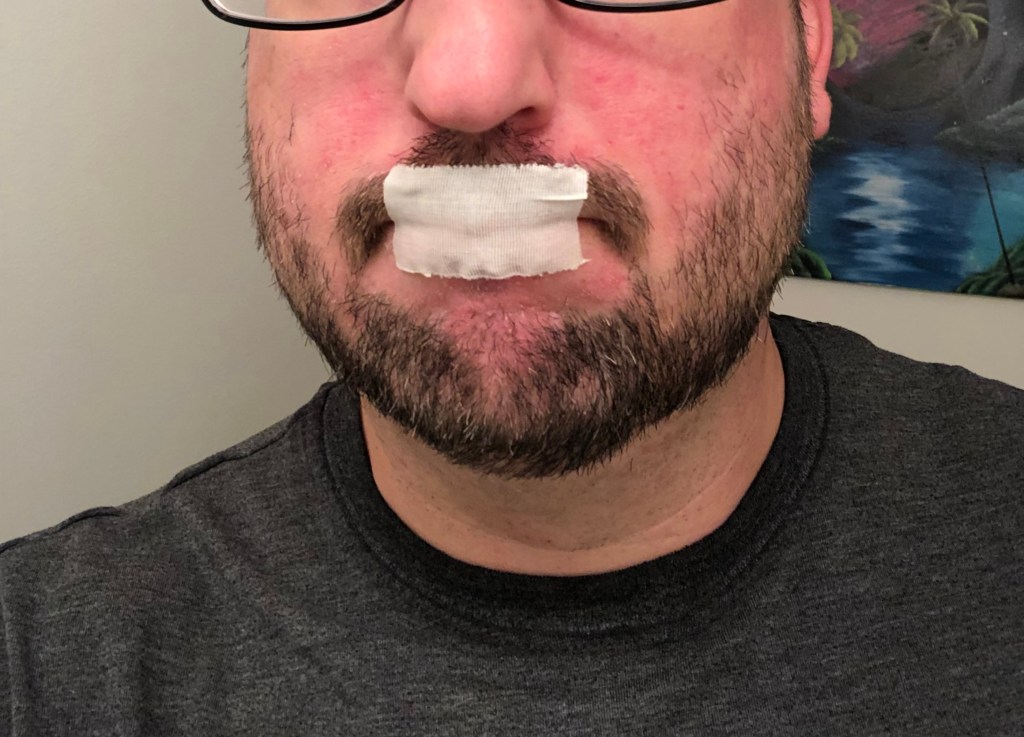
Most importantly, however, the energy bump I experience after consecutive nights of uninterrupted sleep breathing through my nose has been eye-opening.
I’ve also been surprised how many others have had a similar experience with this simple practice.
At first, I was hesitant to discuss this with others due to how outrageous it can sound. Yet, multiple friends, family members, and fellow stroke survivors have told me they’ve found benefits in sleeping with mouth tape after I shared my experience with them.
Looking back, as I lie in a hospital bed, partially paralyzed on the left side, I knew I’d have to grind every possible edge to recover my previous abilities.
Simply getting back into the gym and following a rehab program never felt like it would be enough. I knew I’d have to explore new ways to improve physically and that I’d learn a lot along the way.
However, I never could’ve imagined that one of the most impactful things I would do in my recovery is tape my mouth shut while I sleep. And yet here I am, wishing I would’ve known about this years ago.
I never could’ve imagined that one of the most impactful things I would do in my recovery is tape my mouth shut while I sleep. And yet here I am, wishing I would’ve known about this years ago.
How to Start Mouth Taping at Night
For many years, I thought I just couldn’t breathe through my nose. Allergies, small nasal passages, deviated septum, you name it, I thought it was the problem. As a child, when a coach said breathe in through the nose and out through the mouth, I would try once, fail, and quit.
Excited as I was about the prospects of how this practice of mouth taping could help my recovery from stroke, the benefits did not come after one night. It took many nights of practice and experimenting with how to keep the tape in place all night.
I first started to practice mouth taping and breathing through my nose during the day. When I would be working and not expecting to eat or drink anything for some time, I’d tape my mouth shut. If I took a nap or worked through some simple rehab exercises at home, same thing.
In a matter of 3 to 6 weeks, I was eventually able to sleep through the night without breathing through my mouth and that’s when I really started to feel more energized in my recovery.
After much trial and error with medical tape from the local pharmacy, I, like many others, found that this cloth tape from 3M works best.
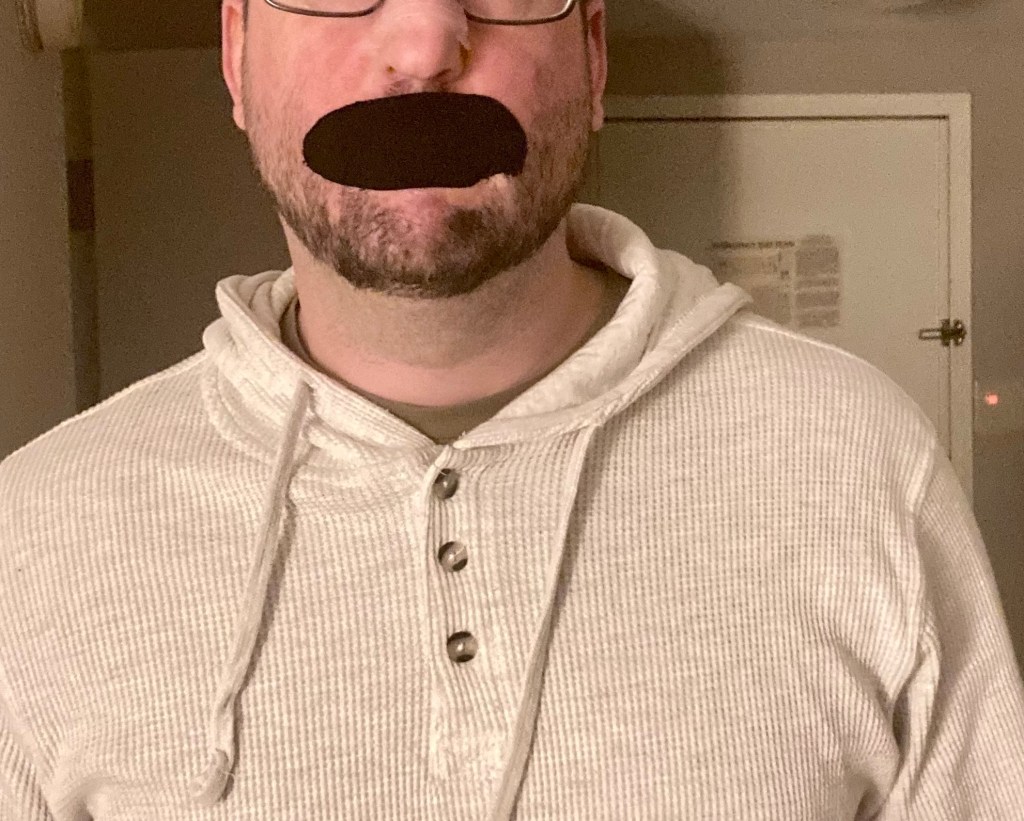
Hostage Tape is another option that I’ve found to work really well. It’s more expensive than the 3M tape, but more secure so it can be used during exercise without falling out of place.

