I’ve recently been preparing a presentation for the Brain Injury Association of America’s annual stroke symposium where I’ll be sharing my stroke survivor journey over these past five-and-a-half years.
As I’ve been collecting my thoughts for what I want to say, I’ve reflected on my own mindset in the earliest months after stroke.
What would I have liked to hear?
Honestly, I would’ve been hard to please. Anything other than life will go back to normal soon and all of your deficits will be gone would’ve been dismissed with an eye roll.
During my first year or so of recovery, I remember watching events with stroke survivors saying you’ll never be the same. You’ll never fully recover. And I remember thinking something like ‘Well, they’re not me. What do they know?’
Instead, over the years I’ve learned there’s so much more to recovery after stroke than just learning how to walk again and regaining your physical abilities. There’s also an emotional, psychological, and philosophical aspect of recovery as well.
Today, you can find many stroke survivors sharing their stories on various platforms, from their success in physical pursuits to reflecting on their emotional and philosophical experiences. It’s a valuable resource, providing optimism that life doesn’t end after stroke.
Finding Stroke Survivor Stories
Recently, I’ve been surprised by how many writers I’ve found on platforms like Substack sharing their experiences after stroke. This doesn’t even account for the many more people posting their stories on a plethora of other social media apps.
It’s been eye-opening for me because back in 2021, I had trouble finding people similar to me — a young hemorrhagic stroke survivor in their early 30s.
Most of the stroke recovery content I found back then was essentially “What happens when Grandpa has a stroke?”
Well, I’m not grandpa and those resources didn’t really help me.
Occasionally, I’d find a few social media accounts or old blogs from stroke survivors that weren’t updated regularly. They mostly highlighted their successes with day-to-day activities like taking out the trash. While nice, this wasn’t providing practical strategies I could apply to my recovery.
I’d also find websites for “stroke recovery coaches” that promised to share rehab principles for life after stroke if you just subscribed for some arbitrary amount like $100. I found these offers from people who weren’t physical therapists deceptive and predatory, targeting individuals in their weakest moments.
Lastly, when exploring the many online stroke forums, I was surprised by how many comments ended with “Well, have you tried marijuana?” Again, this also wasn’t the guidance I was looking for in how to improve my recovery after stroke.
These experiences are part of the reason why I launched this blog as I passed the one-year mark of my recovery after stroke. I wanted to share specific insights into my rehab work and lessons learned on life after stroke, completely free of cost.
The Value in Stroke Survivors Sharing Their Experiences in Recovery
I’ve previously written about the benefits of joining a stroke survivor support group and this growth in online survivor stories is an extension of that.
One of the biggest benefits of sharing your story after stroke is demonstrating that life doesn’t end after stroke.
You don’t have to have all the answers for how to live life after stroke – I know I sure don’t. But maybe one aspect of your journey will resonate with someone else. One little helpful trick you found along the way may influence someone else.
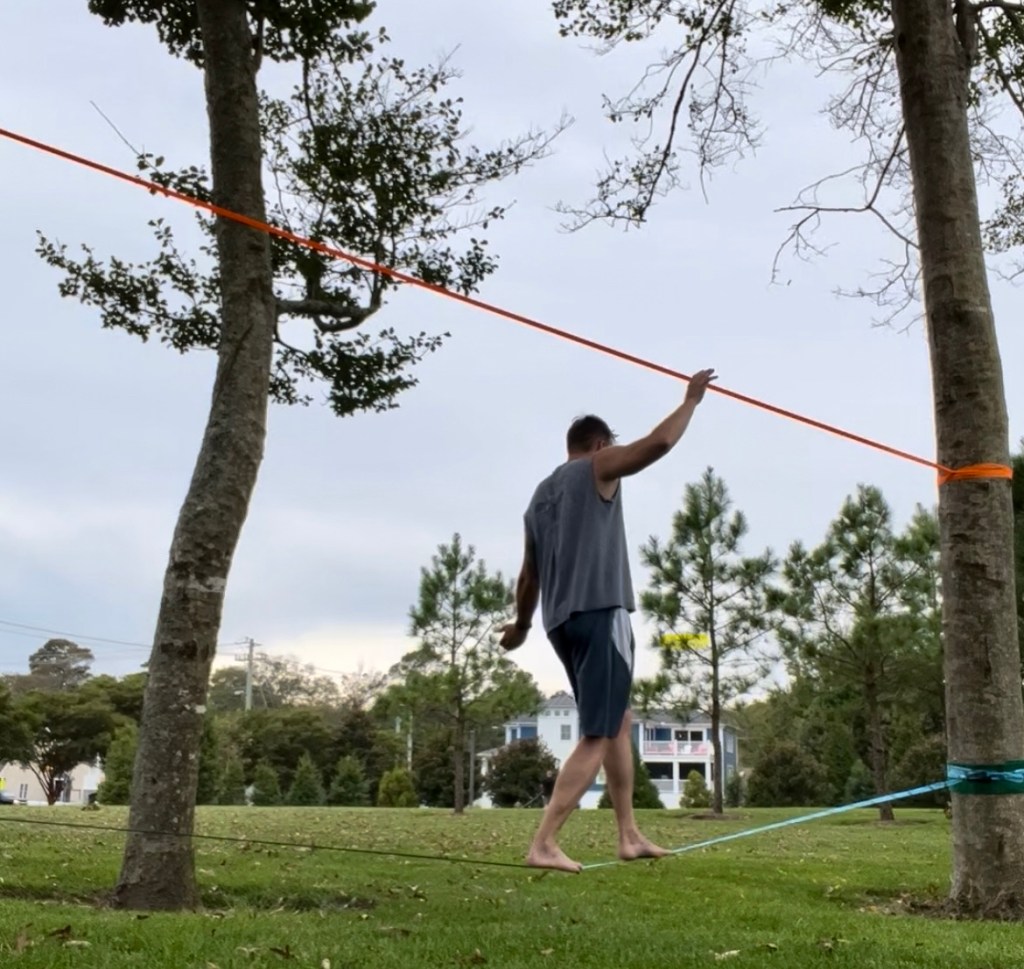
Years ago, I stumbled upon a woman on YouTube talking about walking on a slackline after stroke. This motivated me to try the same and it’s now become one of my favorite post-stroke hobbies.
Stroke Survivor Stories Complement Traditional Medical Content
Despite being a primary source of truth, traditional medical content isn’t always written for the stroke survivor. It can often be dry and difficult to read.
On the other hand, stroke survivor testimonials are often written or presented in a more relatable way that is easier to comprehend and connect with, especially when you can be struggling to read or working through cognitive challenges.
Tips for Sharing Your Story
If you’re like I was—someone on the fence about talking publicly about their life after stroke—here’s a few strategies I’ve found helpful over the years.
1) Pick a platform you’re comfortable with–writing/social media/YouTube/ etc.—and focus on that. Don’t try to be everywhere at once.
2) Pick a reasonable schedule to publish content. While I’ve been surprised with the growth in content over the years, I’ve also seen plenty of people start a project only to pack it up quickly when they probably realized they were too aggressive with publishing content.
3) Connect with others to cross-promote your stories. One of my favorite parts of blogging about stroke has been the articles I’ve written with others, not solely about my own experiences. If you’d like to write an article with me, feel free to reach out and share your ideas.
4) Lastly, you can also contribute your story to larger organizations like the Brain Injury Association or the American Stroke Association.
Our stories can be powerful, offering a chance to connect with others in a similar situation. Whether you join a stroke survivor support group or post about your life after stroke publicly, engaging with other stroke survivors can be a valuable resource in recovery.

