My stroke happened about a week before Memorial Day, and that year I was set to host some friends for the holiday weekend to kick off the summer.
In the days that followed, I joked with my friends that they could still come visit and I would just use a walker to get to whatever bars, restaurants, or other places we needed to go.
Needless to say, that never happened. I spent Memorial Day in a rehab facility, only to be sent pictures of other people enjoying themselves and seeing the same on social media.
While disappointing at the time, those weekend activities involving drinking soon became something that I lost interest in.
After stroke, I’ve noticed how alcohol has had a negative impact on me, adding to my post-stroke feelings of dizziness, instability, and overall disorientation.
Now more than five years post-stroke, I’ve largely stopped drinking, and I’m glad I did. If I were to make a list of the things I miss most about my pre-stroke self, alcohol would be near the bottom of the list.
Life After Stroke Can Feel Like a Hangover
It’s common to see stroke survivors describe their post-stroke feelings as like they’re living through a terrible hangover, and I agree. While funny, it’s actually not a bad description.
After stroke, you can feel incredibly sluggish, often with a headache. Physical activity is a total slog, and your body aches, especially on your stroke-affected side.
The only thing missing from the hangover description is that feeling like you’re going to throw up, but otherwise, describing life after stroke as a bad hangover is pretty accurate.
However, unlike a hangover, you can’t sleep off these frustrating ill feelings. Recovery after stroke is the hangover that never ends.
Alcohol After Stroke
Like everything else after stroke, I had expected to get back to “normal” pretty quickly and that included going out with friends for a few drinks.
Within that first year after stroke, I remember my neurosurgeon telling me I could go back to casual drinking and I didn’t think too much of it at the time as it was my pre-stroke lifestyle to have a few drinks throughout the week. However, my interest in drinking changed as I navigated stroke recovery and all the challenges that it brings.
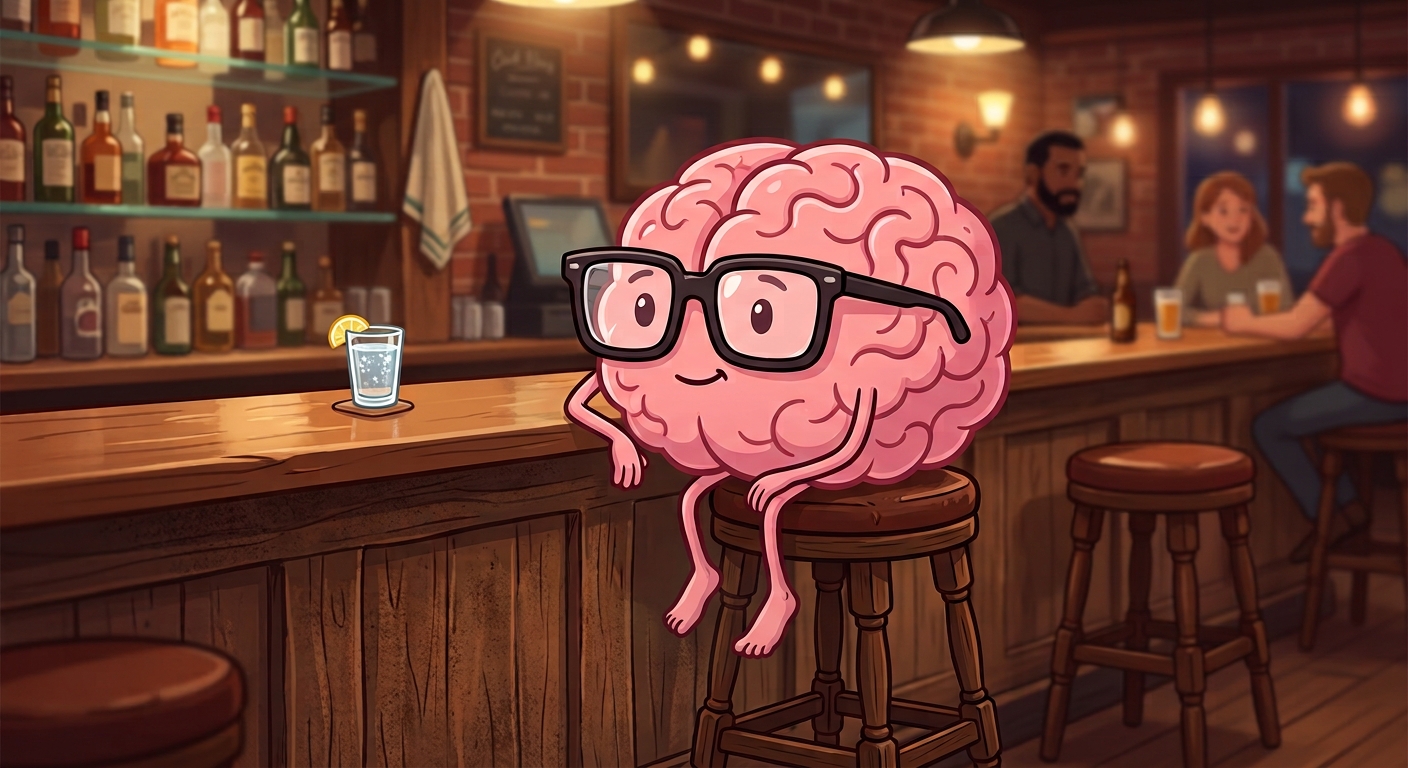
More often than not, people will have some drinks because they want to “let loose” or lose control, but after stroke, all I wanted was to feel in control again. I already felt a little unsteady after standing up, my left hand was unreliable, I had trouble making decisions, and I felt a step slow in everything that I did.
In the years after stroke, it’s common for people to suggest you have a drink to relax a little or feel better, but I didn’t need alcohol making any of those stroke deficits worse.
How Alcohol Impacts the Brain
Everyone has probably heard of the studies that show the health benefits of drinking red wine, while other reports indicate any level of alcohol can be bad for you.
How alcohol impacts the brain can be a confusing topic to dig into since there’s varied opinions and mixed evidence on just how harmful alcohol can be for the brain.
Unfortunately for stroke survivors, alcohol can disrupt sleep patterns, which may be especially detrimental to stroke recovery considering how important sleep is for neuroplasticity, the brain’s ability to change itself and improve after stroke.
Additionally, studies suggest that alcohol consumption is linked to reduced brain size. Research indicates that the more alcohol one consumes, the smaller their brain could be.
This potential shrinking of the brain was one of the most interesting and eye-opening lessons I’ve learned in the years after stroke, and it’s part of the reason why I largely gave up drinking.
Does Alcohol Hurt Stroke Recovery?
In my case, I think it certainly did. After drinking, I’ve often felt worse, a little more dizzy, unsteady, and overall, more sluggish.
Not to mention, if a few drinks caused me to have trouble sleeping, then all of my stroke deficits felt worse the next day. With seemingly no benefit to recovery after stroke, it wasn’t hard for me to lose interest in drinking.
Now more than five years post-stroke, I still largely avoid drinking but every so often I’ll be tempted to do so when out with friends. However, more often than not I find myself regretting it, even if it’s only a drink or two here and there.
People now look at me like I have five heads when I tell them that I don’t really drink alcohol anymore, but it’s simply something that works best for me, even if other people view it as lame, weird, or boring.


4 years post stroke and have identical feelings, now don’t miss it.
LikeLiked by 1 person
Hey, that’s great to hear! I’m glad you’ve had a similar experience. Wishing you all the best in your recovery going forward!
LikeLike