Click play to listen to this article
Fatigue is one of the most commonly reported challenges in stroke recovery.
As Peter Levine describes it in his book Stronger After Stroke “Every activity following stroke takes twice as much energy as it would an able-bodied person.”
Like many others, I’ve struggled with post-stroke fatigue and it often feels like I can’t get enough rest at night.
Since disrupted sleep patterns have caused me to struggle with my energy levels throughout the day, one habit that significantly helped me in stroke recovery was a Yoga Nidra meditation practice.
Yoga Nidra — also known as yogic sleep — has proven to be a great pick-me-up in the early afternoon and it’s also a significant help when I can’t fall asleep at night.
What is Yoga Nidra?
Yoga Nidra is a form of guided meditation that helps you relax through a combination of different breathing patterns, picturing various images, body scanning, and other methods. It can be practiced lying down on a bed, a couch, or a yoga mat on the floor.
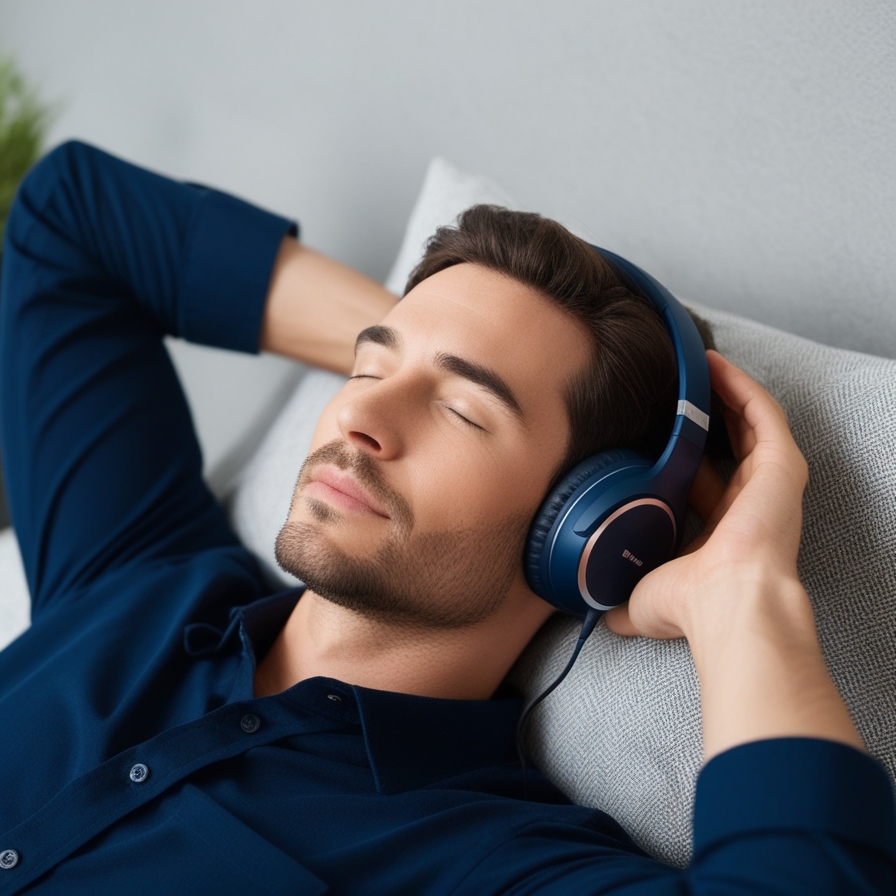
Research indicates that Yoga Nidra may reduce the overall amount of sleep you need and replace sleep missed if you had trouble falling asleep the night before.
It’s also claimed that Yoga Nidra can improve the mind-body connection and it may enhance neuroplasticity, which is a key component in stroke recovery.

4 Essential Stroke Recovery Strategies
Subscribe to the free monthly newsletter and I’ll send you a short article highlighting the four things I wish I’d started sooner after stroke.
The Benefits of Yoga Nidra in Stroke Recovery
If I’m struggling with fatigue in the middle of the day, a short 10-15 minute practice often helps me to reset and recharge for whatever the rest of the day may bring.
Additionally, I found Yoga Nidra to be an incredible tool to help me sleep should I have trouble falling or staying asleep in the middle of the night.
Not only can Yoga Nidra provide some relief from the fatigue associated with stroke recovery, but these non-sleep deep rest (NSDR) principles provide temporary relief from the many physical ills associated with recovery after stroke.
The constant numbness, tingling, or pins & needles feeling on my affected side – however you’d like to describe it – drifts away as I sink deeper and deeper into a practice.
Now, those feelings will return shortly after I stand up and resume my day, but to have a short break from the physical reminders of stroke is an opportunity I treasure.
I was so excited about the benefits I experienced with Yoga Nidra that I shared my story in a monthly stroke survivor support group. I’ve since heard from a friend and fellow stroke survivor who has also found the practice to be incredibly helpful in the middle of the night should she have trouble sleeping.
How to Get Started with Yoga Nidra
There are many Yoga Nidra recordings available on YouTube and meditation apps such as Insight Timer.
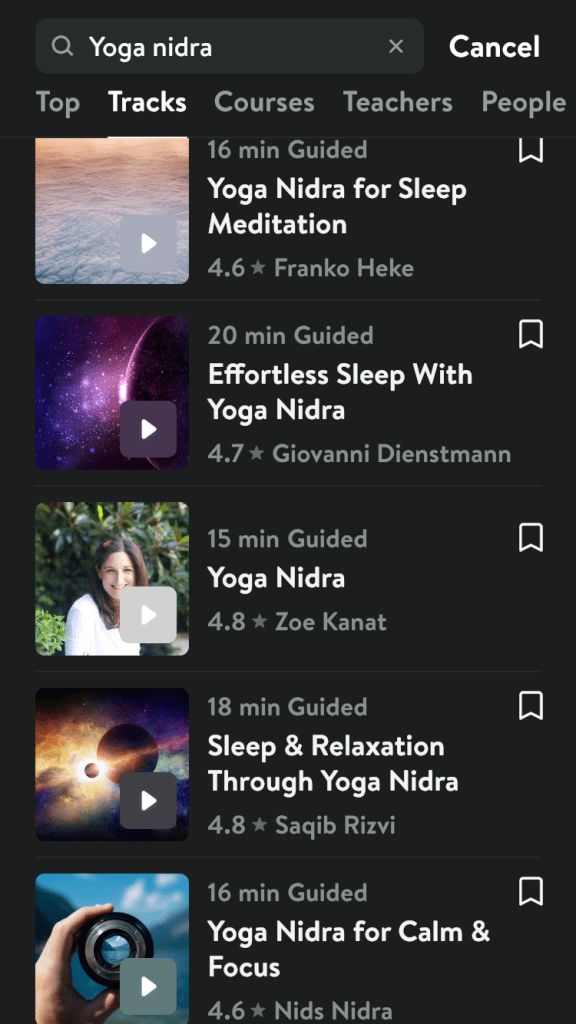
I’ve enjoyed Ally Boothroyd’s YouTube channel, which contains a number of excellent meditations and would be a great place to start if you’re interested in exploring Yoga Nidra.
Ally has also posted a video about the many potential benefits of Yoga Nidra for treating a variety of other medical conditions outside of stroke.
While Yoga Nidra is certainly no cure for the frustrating fatigue that follows stroke, it has the potential to provide some temporary relief.
 Stroke Recovery Rehab
I too experienced fatigue for a long period of time. Unfortunately the physical fatigue I was experiencing did not transfer over to wanting to sleep n sleep n sleep , my mind was racing every minute of the day , 7 years later I still have days of fatigue and when I lay down I can’t sleep , then there’s days. I’m exhausted and immediately fall asleep. I wish I knew the answer to this To anyone who reads this please know that if your going through the recovery process I AN CHEERING FOR YOU , stay strong. Mentally and be consistent in strengthening your body do as much as you can as often as you can.
LikeLiked by 1 person